



This is a contributor content by Nischal Shetty, CoFounder of Shardeum, and Sikka.fun, a mobile-first platform that enables users to create coins in minutes at zero cost.
Most financial commentators still make the same mistake when they talk about meme coins: they lead with the price chart and never get to the point. They’ll tell you Dogecoin is irrational, that Pepe the Frog has no fundamental value, that the whole thing is a casino dressed up in funny dog pictures. And they’re technically right about the fundamentals. But they’re completely missing what meme coins actually are.
Meme coins are, before anything else, cultural objects. They are how the internet votes on what matters right now. Think about what happens the moment something goes viral. A political moment, a celebrity blunder, a tweet that breaks the internet. Within hours, sometimes minutes, a coin gets launched and attached to it an almost immediate financial reflection of whatever is consuming the collective attention of the internet. This isn’t reckless speculation. This is a new kind of cultural record-keeping real-time, decentralized, and brutally honest about what people actually care about.
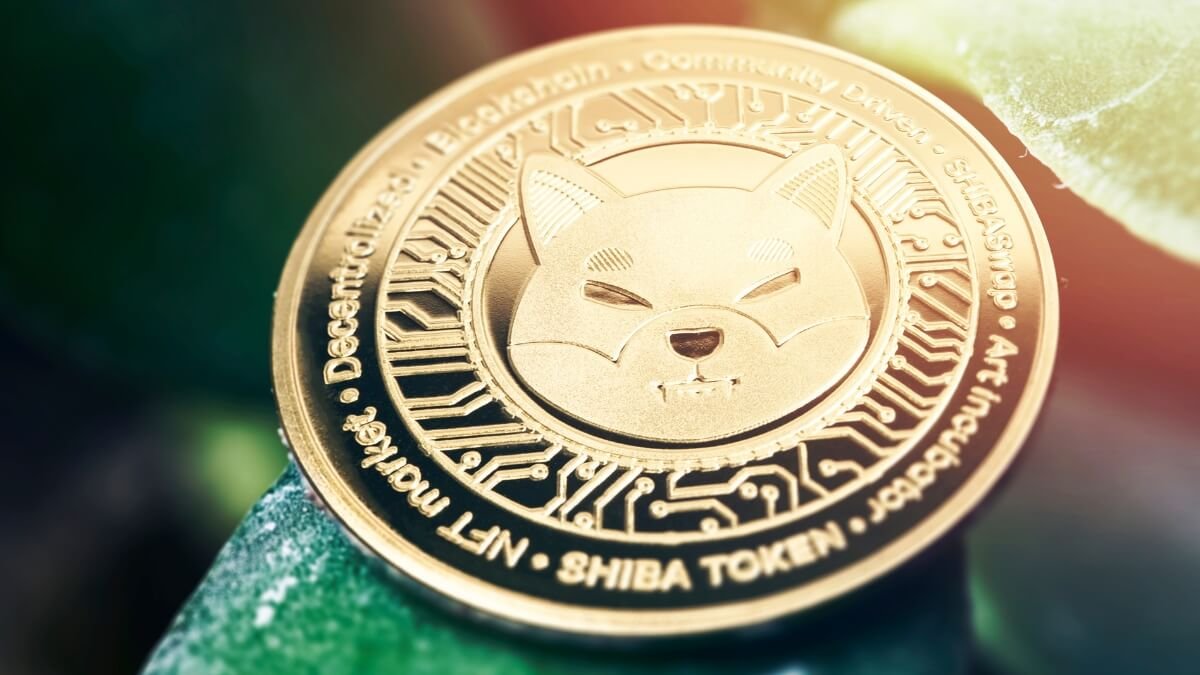
Dogecoin didn’t survive over a decade because people kept doing DCF analysis on it. It survived because the coin embedded itself into the fabric of internet culture so deeply that dismissing the coin started to feel like dismissing the culture itself. Dogecoin, Shiba Inu, and Pepe are prime examples of a shift from complex cryptocurrencies to lighthearted tokens that have become cultural artefacts and serious players in the crypto space.
That word artifact is doing a lot of work, and it deserves more credit than it gets. Every generation produces cultural artefacts. The 20th century had concert posters, baseball cards, and limited-edition sneakers. These things had no inherent utility either. Their value came entirely from community belief, shared memory, and cultural resonance. Meme coins are the same thing, just native to the internet and tradeable on a blockchain.
Community Is the Underlying Asset
What makes a meme coin “work” has almost nothing to do with its whitepaper; most don’t even have one and everything to do with the community that forms around it. Memecoins aren’t just about making quick money anymore. They’re about belonging. About being part of something bigger than yourself.
This is not a trivial point. Humans have always assigned enormous value to signals of group membership. Sports jerseys, band T-shirts, political bumper stickers — these are all ways of saying “I’m part of this.” Holding a meme coin is the digital equivalent, except it also happens to be liquid and globally tradeable at 3 AM. The cultural impact of meme coins is evident in their integration with internet culture, as they often derive inspiration from popular memes and social media trends, a symbiotic relationship that has led to the creation of loyal communities that actively promote and support their chosen tokens.
A Mirror to the Moment
Perhaps the most underappreciated function of meme coins is what they reveal about us culturally. Political meme coins serve as cultural symbols, reinforcing political identities in an era of deepening polarization; these tokens function as digital badges of allegiance, allowing supporters to signal their convictions while participating in speculative markets. When $TRUMP surged after its launch and $BODEN crashed after a poor debate performance, those weren’t just price movements. They were sentiment data. Real-time emotional polling from people who had actual skin in the game.
Crypto pioneer Olaf Carlson-Wee has observed that memecoins are beginning to act as an information discovery system, a way of surfacing what’s cutting-edge in the information markets, suggesting that in the future, every social media post could essentially be a coin. That’s a strange idea until you realize it’s already half true.
The Financial Part Comes Later
None of this means meme coins are good investments. Most aren’t. Their value is determined by how much momentum they can generate and whether they can maintain their audience’s level of interest which is an incredibly fragile foundation for wealth-building. The financial risk is real, and the volatility is not for everyone.
But framing meme coins primarily as financial instruments misses why they exist and why they keep growing. The success of meme coins forces economists and investors to reconsider what actually gives money value if a token can be traded, saved, and spent as real money, it raises the deeper question of what else can do that. The answer meme coins keep giving us is uncomfortable but honest: collective belief is enough. It always has been.
The financial layer matters. But it’s the culture underneath that gives the whole thing life. Strip away the charts, and you still have a community, a joke, a moment in time that a group of strangers decided was worth preserving. That’s not nothing. That’s actually kind of everything.
The above article “Meme Coins Are Cultural Assets First, Financial Assets Second” was first published on AlexaBlockchain. Read the complete article here: https://alexablockchain.com/meme-coins-are-cultural-assets-first-financial-assets-second
Read Also: Why India’s Digital Future Must Move On Chain
Disclaimer: This is a contributor article, a free service allowing blockchain and crypto industry leaders to share their experiences or opinions with AlexaBlockchain’s audience. The content above has not been created or reviewed by the AlexaBlockchain team, and AlexaBlockchain expressly disclaims all warranties, whether express or implied, regarding the accuracy, quality, or reliability of the content. AlexaBlockchain does not guarantee, endorse, or accept responsibility for the content in any manner. This article is not intended to serve as investment advice. Readers are advised to independently verify the accuracy and relevance of any information provided before making any decisions based on the content. To submit an article, please contact us via email.