







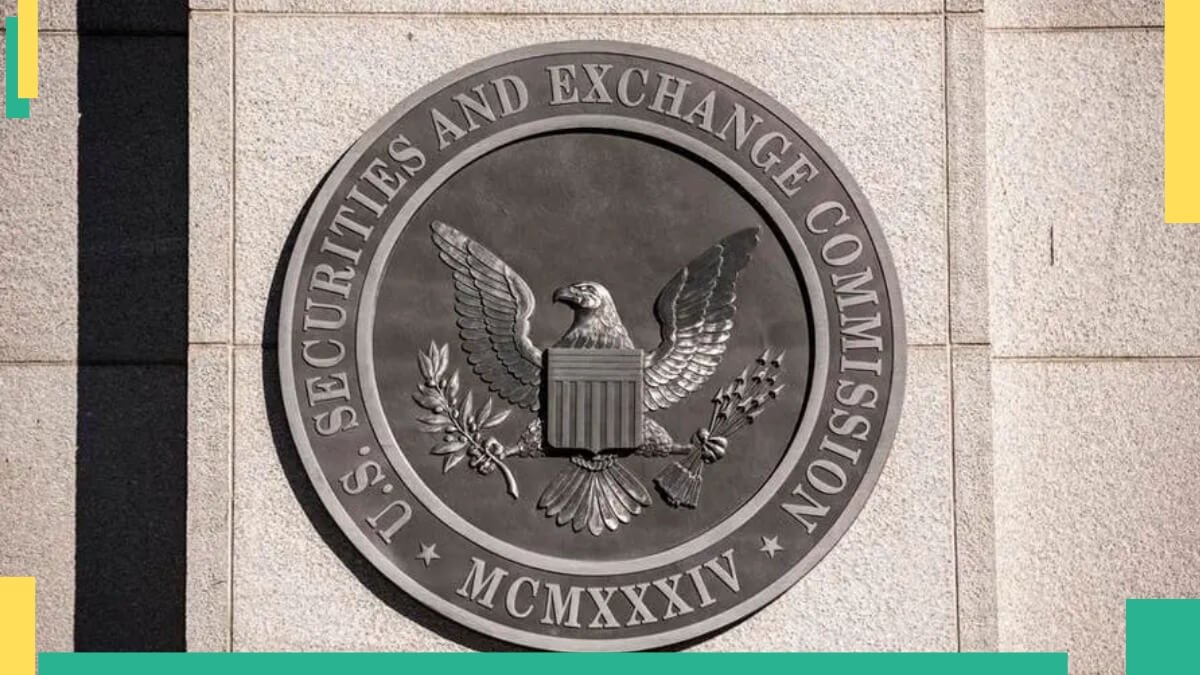
The U.S. Securities and Exchange Commission has granted no-action relief to Fuse Crypto Limited for its Solana-based ENERGY token, marking another incremental shift in how U.S. regulators evaluate network-utility tokens. The decision provides a rare exemption for a crypto project operating a decentralized physical infrastructure network, or DePIN, at a time of heightened regulatory sensitivity.
Fuse disclosed the development on X, describing the letter as the result of months of structured dialogue with the agency. The firm said the ENERGY token functions as the core utility asset within its Energy Network, which rewards distributed infrastructure participants for contributing to the system.
The SEC’s response, dated 24 November, states it will not recommend enforcement action if Fuse offers or sells the token under specific conditions outlined by its legal counsel. The agency also confirmed it would not require the token to be registered as an equity security under the Exchange Act, provided the company adheres to the representations in its filing.
The relief applies only to the facts presented by Fuse and does not establish a broader policy model. The SEC repeated that any deviation in circumstances could lead to a different conclusion, underscoring that the letter reflects an enforcement position rather than a definitive legal judgment.
This is the second such decision issued for a network-utility token in recent months. The move has attracted attention from DePIN founders, who argue that regulators are beginning to distinguish operational infrastructure tokens from speculative digital assets. Many believe the sector requires tokens that reward contribution rather than capital expectations, strengthening the case for differentiated treatment.
Markus Levin, co-founder of XYO, said the letter indicates that regulators are increasingly recognising the functional role of tokens powering real-world systems. He noted that DePIN growth is accelerating as networks rely on participants who secure data, maintain devices, and support decentralized infrastructure without traditional intermediaries.
Levin added that industry projections suggest DePIN could surpass $3 trillion in value within three years. He argued that regulatory acknowledgement gives founders increased confidence to innovate, particularly as capital flows continue shifting toward networks with real-world economic activity.
Fuse simultaneously released a detailed whitepaper describing the ENERGY token’s operational design and technical structure. The firm said the regulatory development provides a more stable environment for advancing its distributed energy platform.
Market implications
The SEC’s decision may influence how investors assess the regulatory risk surrounding infrastructure-focused crypto projects. Most tokens continue to operate in considerable uncertainty, with the agency maintaining a broad enforcement approach. A second no-action letter, however, offers a clearer signal that network functionality can shape regulatory outcomes.
Analysts say the move could narrow the perceived compliance gap for DePIN and tokenized infrastructure networks, which have recently gained investor attention for their measurable economic activity. Some venture firms have already increased allocations toward physical infrastructure tokens, citing rising demand for decentralized bandwidth, mobility, energy, and data networks.
The letter is unlikely to reshape the broader market, but it may shift sentiment toward projects tied to real-world utilisation rather than speculative trading. Investors tracking regulatory catalysts may see the development as evidence that utility-based models have a credible pathway to compliance within the U.S. system.
Still, the relief remains highly case-specific. Market participants expect valuations to respond cautiously, given the SEC’s continued reluctance to issue wide-ranging guidance. The larger question is whether future administrations or congressional action will convert these selective exemptions into more predictable policy frameworks.
Read Also:
Disclaimer: The information provided on AlexaBlockchain is for informational purposes only and does not constitute financial advice. Read complete disclaimer here.


